


-

Add: HeBei ShengShi HongBang Cellulose Technology CO.,LTD.
-

Email
13180486930@163.com -

CONTACT US
+86 13180486930
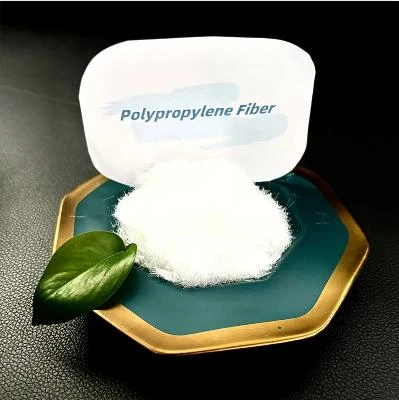
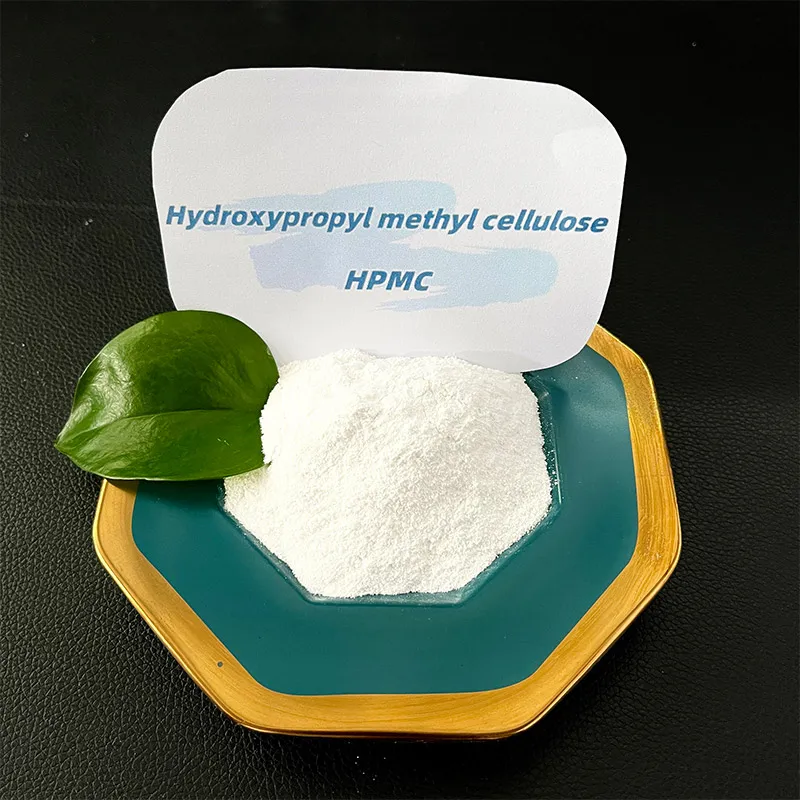


Polyolefin fibers, an essential component in the textile and manufacturing industries, have significantly gained attention due to their versatile applications and superior qualities. These fibers, derived from polymers such as polypropylene and polyethylene, offer a unique combination of properties that cater to numerous industrial needs, enhancing both product performance and durability. One of the most significant advantages of polyolefin fibers is their exceptional resistance to moisture. This property makes them an ideal choice for outdoor applications, where exposure to environmental elements like rain and humidity can quickly degrade other materials. For instance, agricultural fabrics designed to protect crops from the elements heavily rely on polyolefin fibers due to their robust water-repellent characteristics, ensuring longevity and consistent performance across seasons. Moreover, the high tensile strength of polyolefin fibers contributes importantly to their value in various industries. Their ability to withstand considerable stress without breaking or deforming makes them suitable for manufacturing high-strength ropes, fishing nets, and even geotextiles used in construction projects. This inherent strength not only extends the lifespan of the products made from these fibers but also enhances their reliability in critical applications, where failure is not an option. A prominent feature of polyolefin fibers is their inherent resistance to chemical attacks. This characteristic is particularly beneficial in environments where exposure to harsh chemicals or solvents is a concern, such as in industrial filtration systems or packaging materials. Products made from polyolefin fibers do not easily degrade when in contact with chemicals, ensuring both product integrity and safety over time. In the arena of sustainability, polyolefin fibers present a commendable profile. They are fully recyclable and contribute less to the overall carbon footprint compared to some other synthetic fibers. Their production process, largely driven by advances in polymer technology, has become more energy-efficient, allowing manufacturers to produce these fibers with reduced environmental impact. This aspect of sustainability positions polyolefin fibers favorably among environmentally conscious businesses aiming to incorporate more eco-friendly materials into their product lines. polyolefin fiber The light-weight nature of polyolefin fibers is another enticing benefit, leading to two major advantages—ease of handling and reduced transportation costs. Their low density results in lighter end products, which is particularly beneficial for applications in the automotive and aerospace industries, where weight reduction translates to improved fuel efficiency and performance. Polyolefin fibers thus contribute to overall cost savings , benefiting both manufacturers and end consumers. While the advantages are clear, incorporating polyolefin fibers into applications requires careful consideration of certain technical properties. Polyolefin fibers have a relatively low melting point compared to other synthetic fibers, which can be a limiting factor in high-temperature applications. However, this limitation is often addressed in innovative ways by blending polyolefin fibers with other materials or using them in environments where their low thermal resistance is not an issue. The expertise and authority of polyolefin fiber production have been greatly advanced by leading companies and research institutions globally. Their focus remains on refining the production processes and enhancing the fiber’s properties to meet the ever-evolving demands of the market. Extensive research and development activities ensure these fibers remain at the forefront of innovation, maintaining their status as a reliable and versatile material choice. Trustworthiness in the field of polyolefin fibers is further reinforced by strict compliance with international standards and certifications, which oversee the quality and environmental impact of these materials. Reputable manufacturers provide comprehensive data and transparency about their products, allowing consumers to make informed decisions based on verified performance metrics. In conclusion, polyolefin fibers represent a remarkable blend of performance, durability, and sustainability, making them indispensable across a variety of industrial sectors. Their distinctive properties provide tangible benefits, from extending product life to reducing environmental impacts, ensuring that polyolefin fibers will continue to be a material of choice for innovative solutions well into the future.
- 40000tons

Production
- 20+years

Experience
- 5000+㎡

Acreage

-

Найлон жиптери — бул заманбап текстилдик өнөр жайында кеңири колдонулган синтетикалык жиптердин бири. Алардын уникалдуу касиеттери жана колдонулушу аларды эларалык базарда абдан популярдуу кылды. Найлон жиптери 1935-жылы америка химиги Уоллес Карозер тарабынан чыгарылган. Бул жиптер негизинен полиамид же полимерден жасалат, аларга созулуш жана күчтүүлүк берет. Найлон жиптеринин эң негизги артыкчылыктарынын бири — алардын жогорку бекемдиги. Бул жиптер даамы жакшы, ошондой эле суу киргизбейт. Алар көптөгөн температураларда жана шарттарда өзүнүн формасын сактап кала алат. Мисалы, найлон жиптеринен жасалган кийимдер, спорттук жабдыктар, үй буюмдары жана башка көптөгөн буюмдар бар. Найлондун жөнөкөй куланган формасы бут кийимдерден баштап, кийимдерге, сумкаларга жана өнөр жайда колдонулган сырьёго чейин бар. . Найлон жиптери экологиялык көйгөйлөрдү жаратышы мүмкүн, бирок алар боюнча изилдөөлөр жүрүп жатат. Көпчүлүк компаниялар найлон жиптерин кайра иштетүүчү технологияларды өнүктүрүүгө аракет кылып жатышат. Рециклдөө процессин колдонот. Ошентип, жаңы сырьёду алуу үчүн жиптерди кайра иштетүү аркылуу экологияны коргоо, ресурстарды үнөмдөө жана жаңы материалдарды иштеп чыгуу мүмкүнчүлүктөрү бар. nylon fibres are Найлон жиптерин кийим өндүрүүдө да кеңири колдонулат. Мисалы, спорттук кийимдер, жүн кийимдери жана суу өткөрбөй турган капталдар найлон жиптеринен жасалган. Алардын жогорку суу өткөрбөй турган касиеттеринин аркасында жамгыр же башка суу түшкөн шарттарда сизди курчап ала турган кийимдерди камсыз кылууга мүмкүндүк берет. Мындан тышкары, найлон жиптери жеңил жана ыңгайлуу. Бул алардын компаниялар тарабынан кеңири колдонулушунун дагы бир себеби. Буга кошумча, найлон жиптери моданын дүйнөсүндө да маанилүү роль ойнойт. Дизайнерлер жана стилисттер найлон жиптерин кийимдерде жана аксессуарларда колдонуу аркылуу уникалдуу жана заманбап көрүнүштөрдү жаратууга мүмкүнчүлүк алышат. Найлон жиптери боёкторго, текстураларга жана стильдерге ылайыкташып, ар кандай тренддерди чагылдырууга мүмкүнчүлүк берет. Кыскача айтканда, найлон жиптери өзгөчө физикалык касиеттери жана кеңири колдонулушу менен текстилдик индустрияда маанилүү системаны түзөт. Алардын кайра иштетүү жана экологиялык жактан таза өндүрүш процессине жасалган аракеттер жаңы изилдөөлөр менен бирге аларды келечекте дагы кеңири колдонууга мүмкүнчүлүк берет. Негизинен, найлон жиптери азыркы замандан бөлүк катары, бизди модадан спортко, үй шарттарына чейин коштоп келе жатат.
-

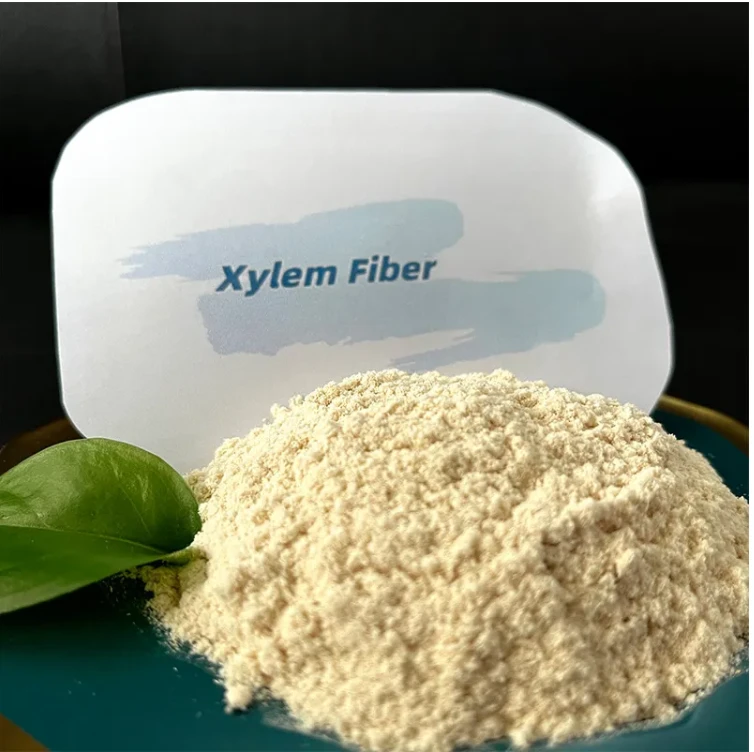
Materials derived from natural sources, like wood cellulose , are redefining industries with their versatility and sustainability. Products such as xylem fiber , fibre made from wood pulp , and bleached wood pulp offer an eco-friendly alternative to synthetic materials while maintaining exceptional functionality. Their adaptability makes them ideal for use in construction, textiles, packaging, and beyond. Wood Cellulose: Nature’s Engineering Marvel Wood cellulose is a fundamental component of plant cell walls, known for its strength, flexibility, and lightweight properties. Derived from sustainably harvested timber, it is processed into versatile forms that cater to various industrial needs. Whether used as a construction additive, a textile fiber, or a packaging material, wood cellulose offers unmatched durability and eco-friendliness. This material is integral to modern manufacturing, especially as industries shift toward renewable resources. With its availability in forms like fibre made from wood pulp , wood cellulose is at the forefront of sustainable innovation, providing both functionality and environmental benefits. Xylem Fiber: Strength and Adaptability A specialized form of wood cellulose , xylem fiber is celebrated for its structural strength and water transport capabilities. This fiber, which mimics the natural function of xylem in trees, is ideal for applications requiring moisture resistance and durability. Industries such as paper manufacturing, filtration, and packaging rely heavily on xylem fiber for its reliability and adaptability. The increasing demand for eco-conscious materials has made xylem fiber a popular choice in product innovation. Its natural composition ensures it is biodegradable and renewable, making it a superior alternative to non-biodegradable synthetic fibers. By incorporating xylem fiber into production processes, companies can reduce their environmental impact without compromising on quality. Fibre Made from Wood Pulp: Sustainability Meets Functionality Fibre made from wood pulp is revolutionizing industries like fashion, hygiene, and construction. This material offers the strength of synthetic fibers while being more sustainable and environmentally friendly. Its softness, durability, and breathability make it a preferred choice for textiles, such as clothing and home furnishings. Beyond textiles, fibre made from wood pulp is widely used in absorbent products, including diapers and medical pads, due to its excellent moisture retention properties. Additionally, it plays a vital role in creating lightweight composites and durable building materials. The versatility of this wood cellulose derivative continues to drive innovation across sectors. Bleached Wood Pulp: A Staple in Quality Manufacturing Bleached wood pulp is a refined version of wood cellulose , processed to achieve a bright, pure-white appearance. This material is crucial in producing high-quality paper, hygiene products, and specialty applications like medical-grade textiles. Its smooth texture, uniformity, and strength make it an essential component in industries that demand precision and reliability. The bleaching process enhances the purity of bleached wood pulp , ensuring it meets strict industry standards. Moreover, modern advancements have made bleaching more sustainable, minimizing environmental impact. Whether used in premium packaging, tissue paper, or industrial filters, bleached wood pulp exemplifies how wood cellulose can deliver excellence and sustainability. Why Choose Wood Cellulose for Your Needs? Materials like wood cellulose , xylem fiber , fibre made from wood pulp , and bleached wood pulp offer a harmonious blend of sustainability, performance, and versatility. As industries pivot toward greener solutions, these natural fibers provide a reliable and eco-conscious alternative to synthetic materials. By integrating wood cellulose into products and processes, businesses can achieve superior quality while reducing their environmental footprint. From construction to textiles and packaging, the applications of these fibers are vast and impactful. Harness the power of wood cellulose and its derivatives to create innovative, sustainable, and high-performance solutions for today’s world.
advantages
-

200000 Viscosities
Excellent product
We can produce pure products up to 200,000 viscosities
-

40000 tons
High yield
We don’t stop production all year round, and the annual output can reach 40,000 tons
-

24 hours
Quality service
We provide 24-hours online reception service, welcome to consult at any time
———— Inquiry Form
Schedule A services


-
 pati_eter_untuk_konstruksi
Oct . 25, 2025
Hydroxypropyl Methylcellulose, commonly referred to by its INCI name HPMC, is an ingredient widely u -
 polymer_clear_powder
Oct . 25, 2025
In the world of plastering and construction, achieving optimal working time and preventing premature -
 fibre_de_polypropylene_pour_beton
Oct . 25, 2025
Concrete polypropylene fibers have revolutionized the construction landscape, offering an innovative


